• Courses
    • All Course
      • Policy in China
      • Training of Trainers (TOT)
      • Learning by Doing
    • Four Thematic Areas
      • Value Chain Development for Smallholders
      • Post-harvest Loss Management and Food Systems
      • Disaster Risk Reduction and Climate Change Resilience
      • Innovative Poverty Alleviation Initiative
    • Multilingual Courses
      • Courses in French
      • Courses in Spanish
    • My Activity
Sign upLog in

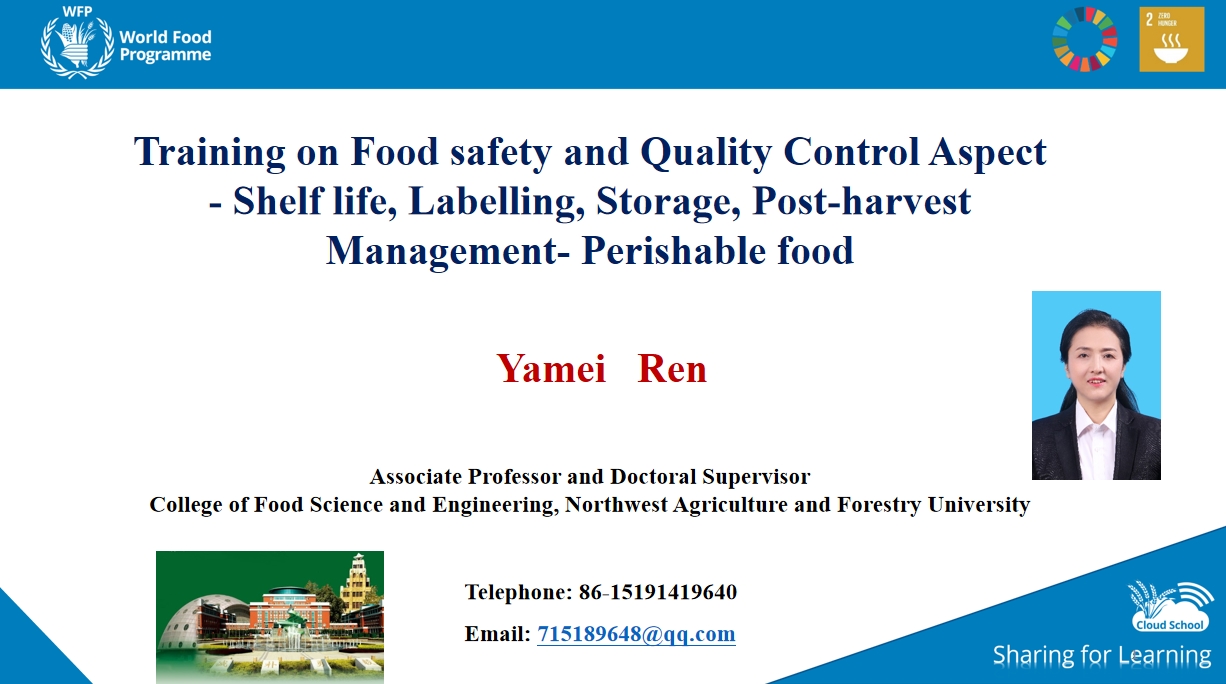
Training on Food Safety and Quality Control Aspect - Shelf Life, Labeling, Storage, Post-harvest Management - Perishable Food

75min

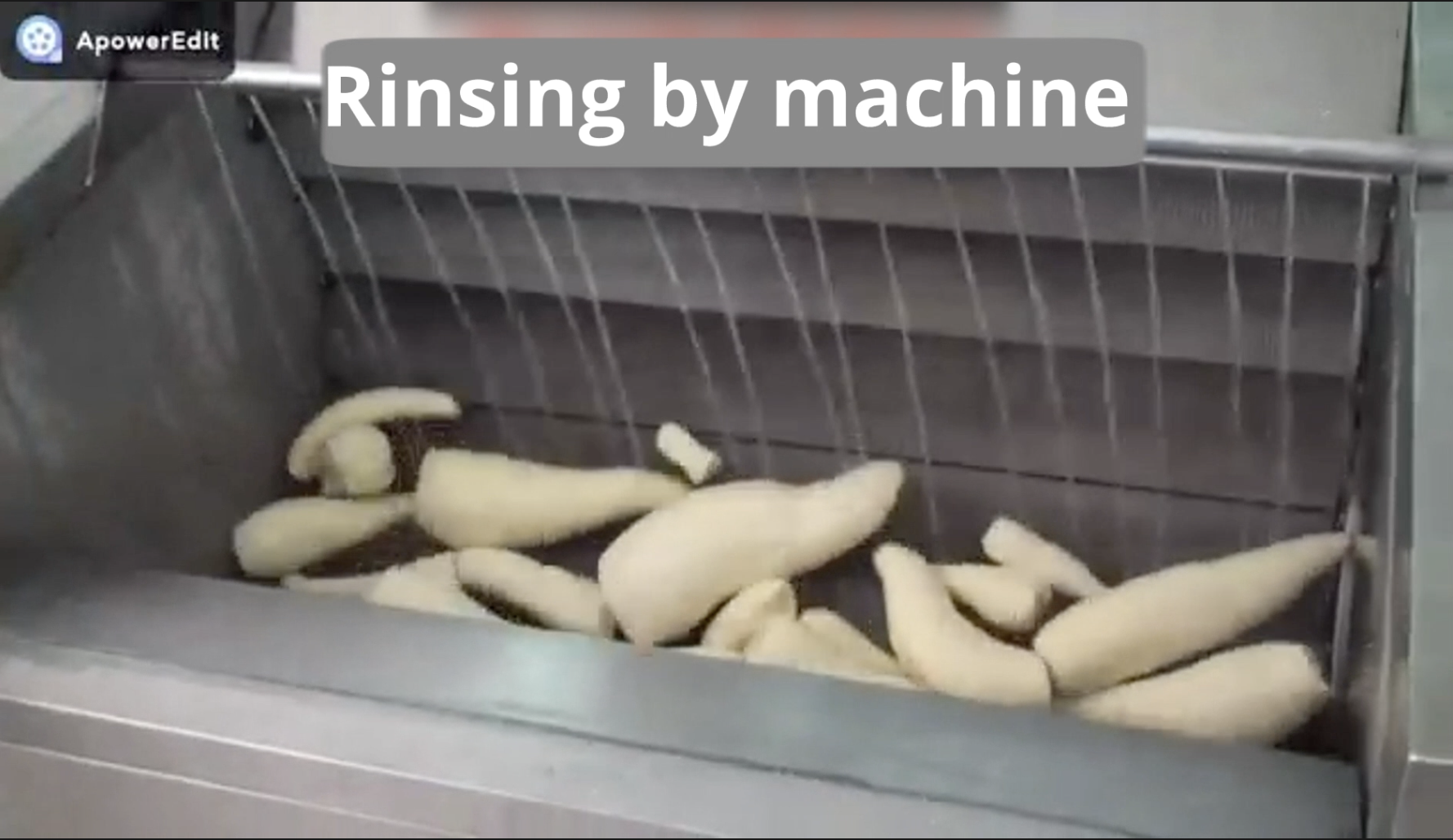
Fruits and vegetables are still alive after harvest, rich in water and nutrients, susceptible to mechanical damage and microbial infection, resulting in reduced quality or even loss of nutritional and commodity value, which are perishable foods. Therefore, it is very important to do a good job in postharvest storage of fruits and vegetables. On the one hand, it can reduce economic losses and waste of resources. On the other hand, it can also eliminate seasonal and regional differences and meet the consumption requirements of consumers in different regions for fruits and vegetables. Hence, the theme of this training is the safety and quality control of perishable food, mainly involving the shelf life, labeling, storage, postharvest management. I mainly introduce the harvesting, storage and transportation of vegetables, and take potatoes and tomatoes as examples to introduce their storage technology in detail. This training is designed to improve local storage technology and reduce losses of fruit and vegetable during postharvest storage.

Ren Yamei

Associate Professor

15 February 2023

Management System on Green Storage of Rice in China

7min

Zhang Chengzhi

Senior Engineer

01 December 2022

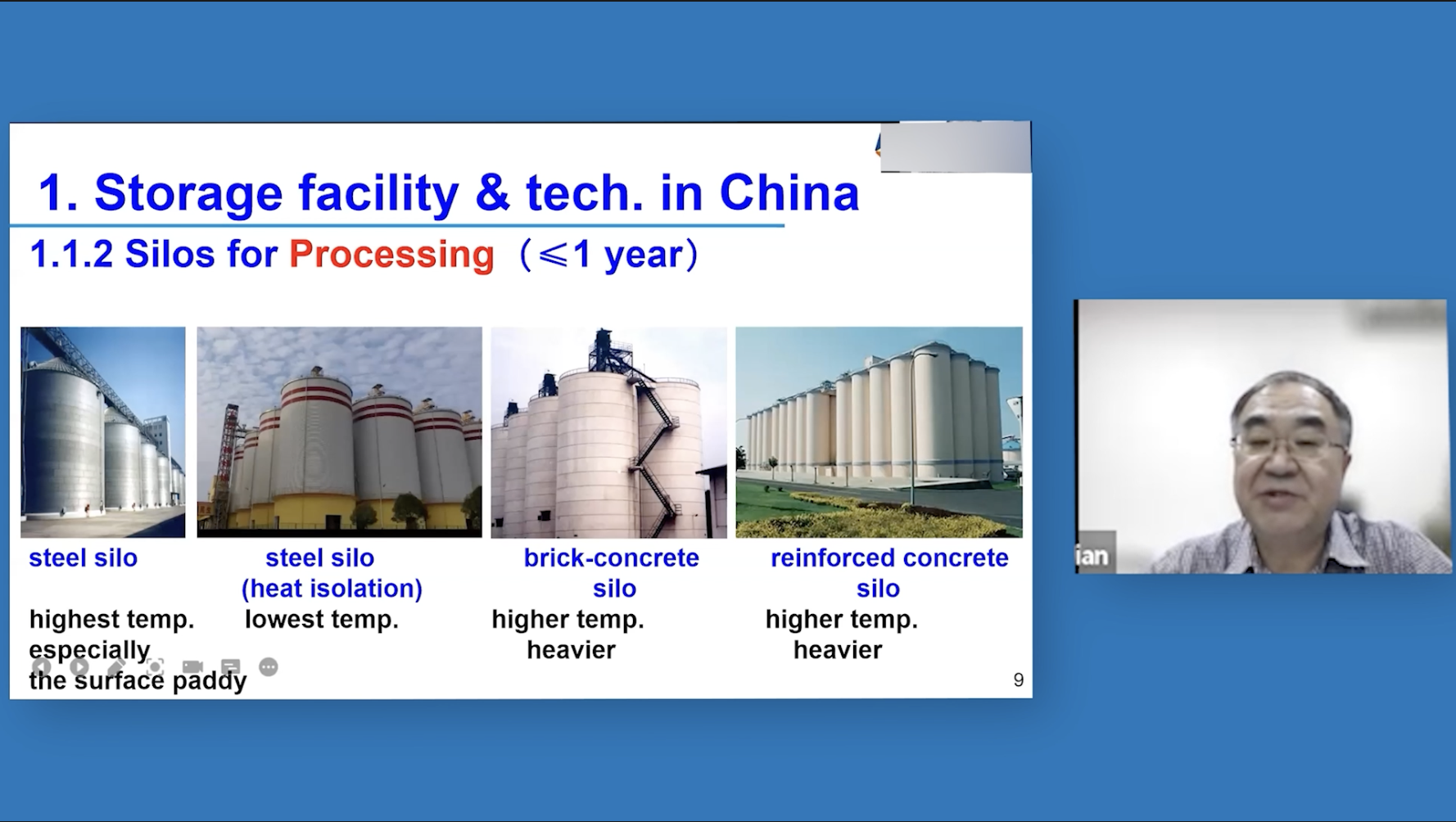
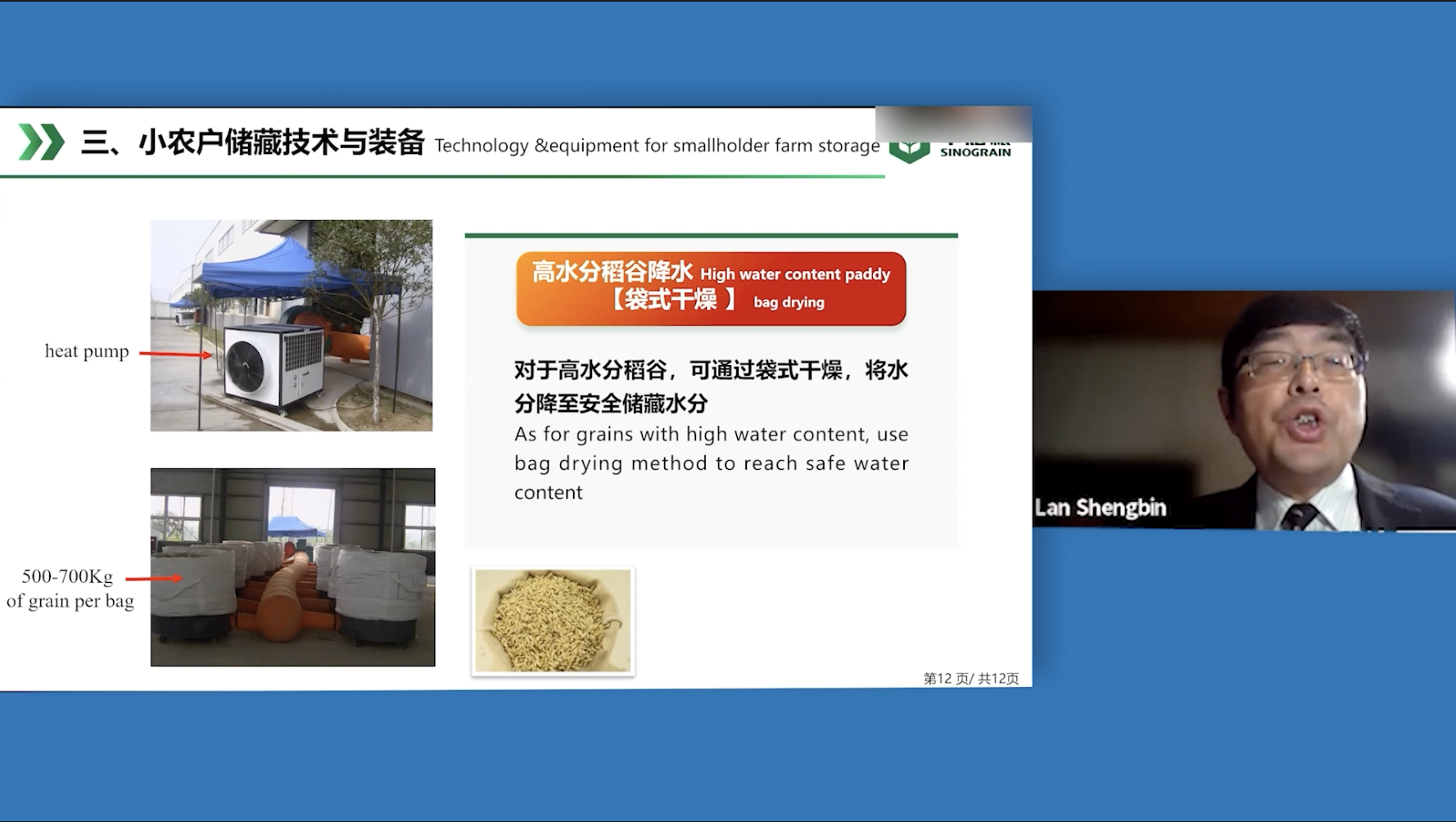
Technology and Equipment of Smallholder Farm Storage for Paddy

10min

An overview of China's prevailing smallholder farm paddy storage technologies and equipment.

Lan Shengbin

Researcher

01 December 2022

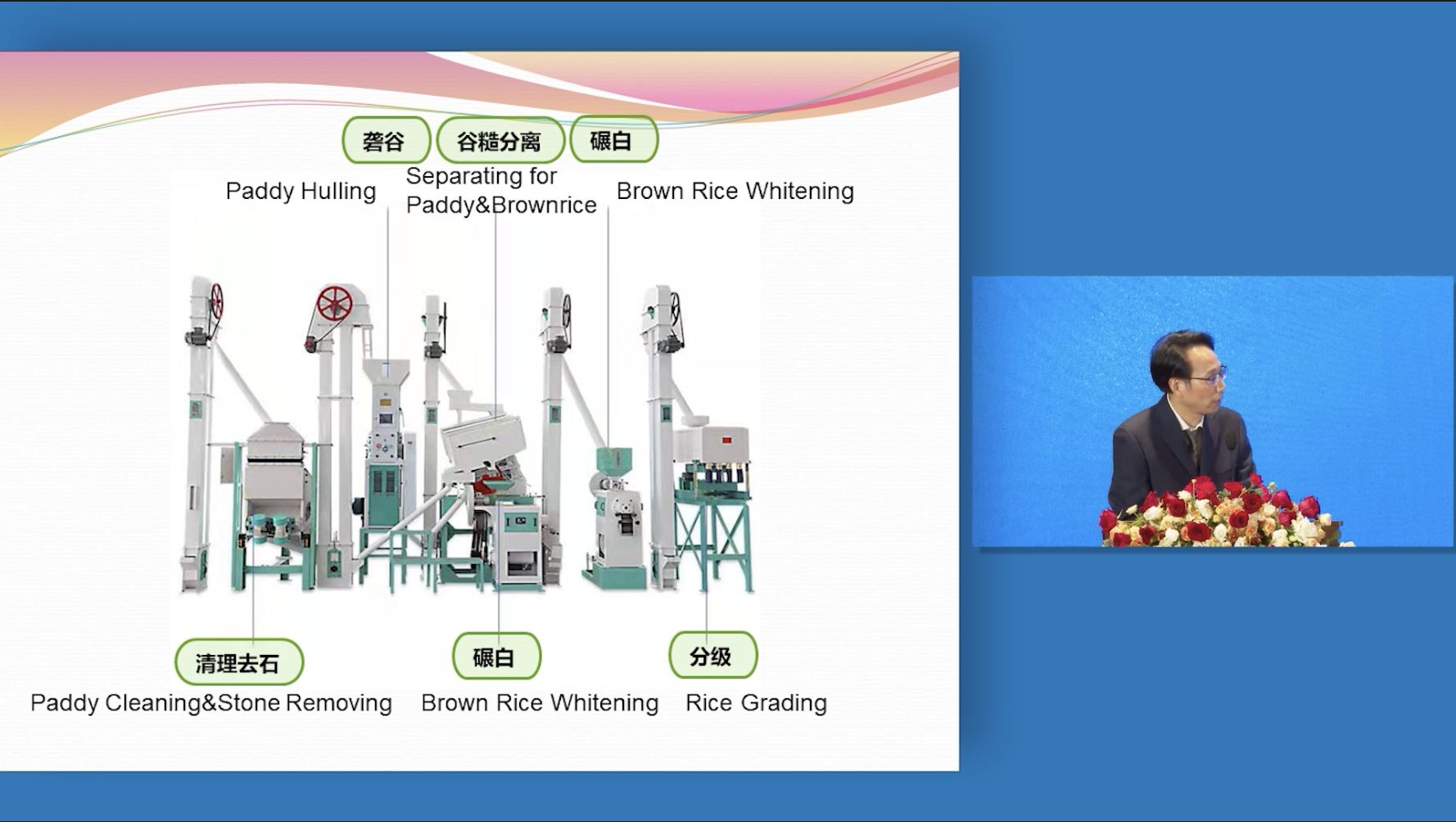
Good Practice of Rice Processing for Better Quality

9min

This course is an online training session on rice post-harvest management delivered by a Ph.D. Professor AN Hongzhou. The training covers various aspects of rice processing technology, equipment, and quality. It discusses the current situation of world rice production, existing problems in rice processing, and a comparison of rice processing quality index and nutritional composition in different countries. The passage also discusses the definition of "milling degree" in rice standards and the challenges faced by rice mill companies in controlling milling degree accurately. Furthermore, it outlines the technological processes involved in rice cleaning and milling, with the aim of achieving the highest yield of white rice with the best quality. The passage discusses the importance of accurate and moderate processing to reduce loss and waste during rice processing. It also highlights the microstructure and properties of brown rice and the chemical compounds responsible for the aroma of cooked rice.

An Hongzhou

Associate Dean

21 November 2022

Transformation et stockage pour l’amélioration de la qualité du riz en Côte d’Ivoire (English Version)

6min

Premier niveau : les petites unités de transformation d'une capacité de 0,2 à 2 t/h qui ceinturent les zones de production pour la fabrication de riz blanc destiné à la consommation de proximité.

Christian KOUAME Bi

Côte d’Ivoire

18 November 2022

Solutions for Small-Scale Farmers’ Grain Storage - Small Steel Grain Storage Warehouse

8min

17 January 2024

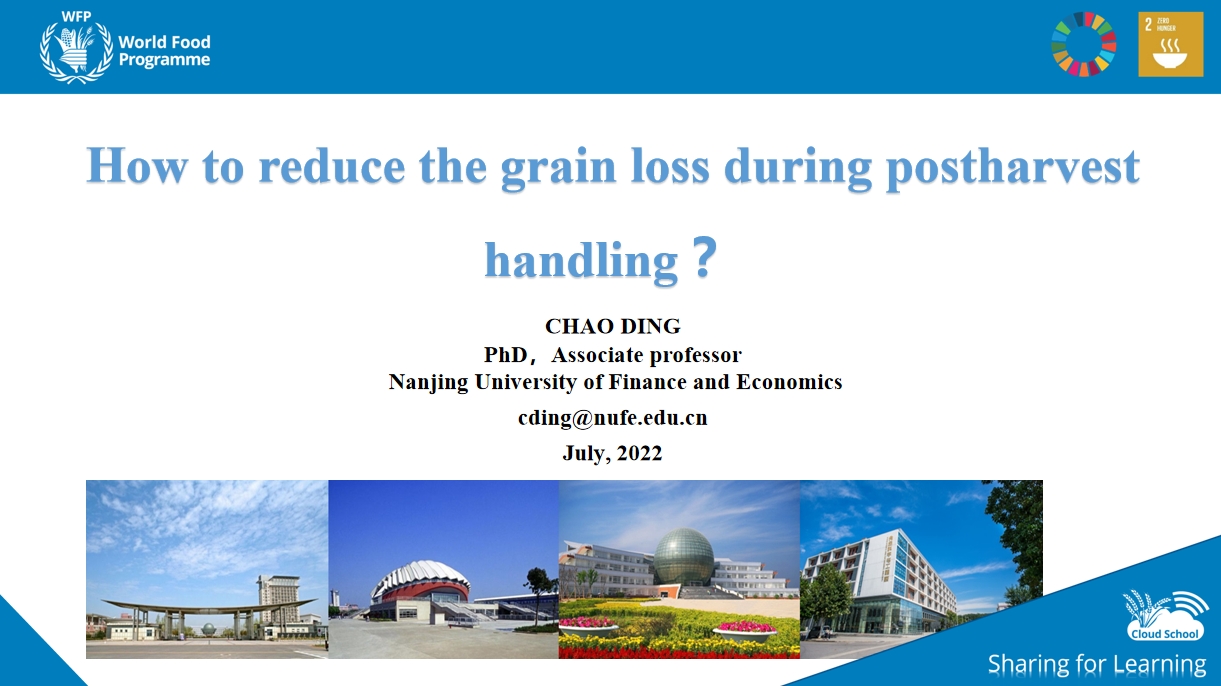
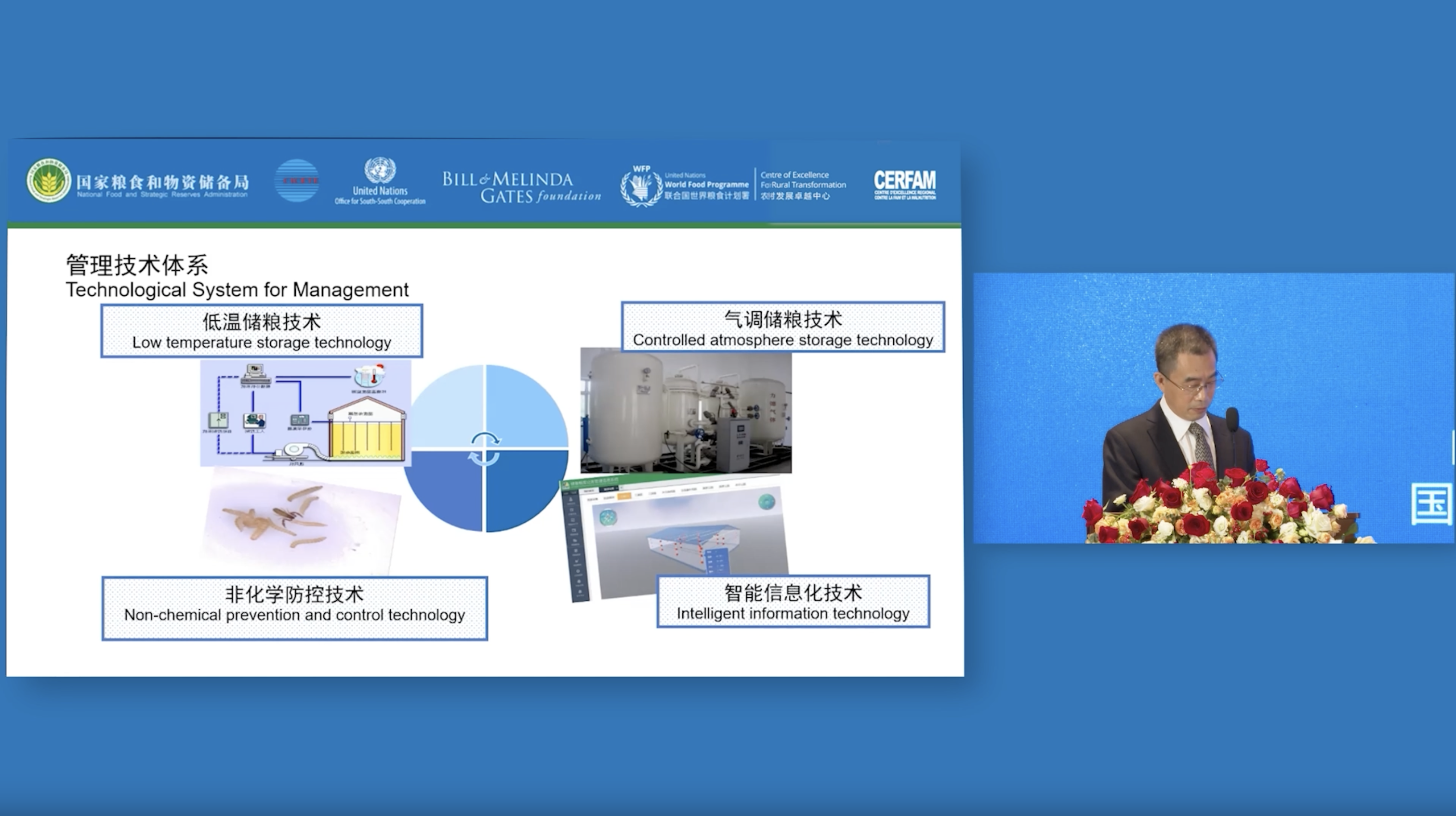
Seminar on Post-harvest Loss Management for National Food Security

138min

The Seminar aims to provide insightful discussions on national grain reserves system and digitalized technologies for food systems transformation. Through South-South Cooperation policy dialogue, this seminar is expected to exchange knowledge and experience on grain reserves management system to address current challenges and advance country-led progress towards effective grain reserves system and food security.

19 January 2023

Synergy Meeting & Stakeholders’ Dialogue on Rice Value Chain Development

127min

China has made remarkable progress in its rice sector, as its per capita grain possession exceeds 474.4 kg. Post-harvest loss management, such as promoting advanced and practical green grain storage technology and information technology has played a significant role in contributing China’s achievement. Through South-South Cooperation, the experience and lessons learned at the technical and policy level from China could assist the African rice stakeholders in addressing some of the challenges encountered in the past few decades. WFP China COE, in collaboration with CERFAM, has already placed the rice value chain with high importance and is dedicated to enhancing China-Africa cooperation on the rice value chain. BILL&MELINDA Gates Foundation in China has been engaged with Chinese academic partners aiming to support Africa’s agricultural extension system for local capacity development in some Africa countries and has supported this project financially as well. It is the common vision that rice value chain enhancement would be a prime entry point for WFP and BILL&MELINDA Gates Foundation in China to jointly make their due contributions to support and help African nation’s capacity for food security.

Zhu Qinghua

rice value chain

05 January 2023

Digitalised South-South Cooperation for Zero Hunger

53min

This seminar demonstrate how different actors ( international organization, government, broadcast and TV, private sector, academic instituion) could do to support digitalised South-South Cooperation and facilitate digital-driven rural transformation.

28 October 2022

China's Experience for Africa's Food Systems Transformation

63min

The China-Africa Rice Value Chain Development Project in Côte d'Ivoire is a project aimed at improving the rice value chain in Côte d'Ivoire through South-South cooperation. The project uses various approaches and methodologies, including needs assessment, technical demonstration, technical training, technical guidance, and partnership building.The beneficiaries of the project are smallholder rice producers in Côte d'Ivoire, particularly in the communities of Maramana, Kantara, Pitiangomon, and Nankaha, with a focus on empowering women farmers.Based on the project's success, some recommendations for other countries include virtual study tours as an alternative to field instruction, further support for local producers in rice production and processing, promoting gender equality in the implementation, and sustaining the impact of the first phase implementation. The project could also benefit from continued funding and technical support from UNOSSC and WFP.

Xie Jian

Professor

21 October 2022

上一页1234下一页

No. 2 Liangmahe Nan Lu, Beijing, P.R. China, 100600

wfpcn.coe@wfp.org

2022© WFP China COE South-South Cooperation Knowledge Sharing Platform

京ICP证 040089号-17 信息网络传播视听节目许可证 0105123 京公网安备 11010802027341号 京网文 [2011]0252-085号

Terms of Use